
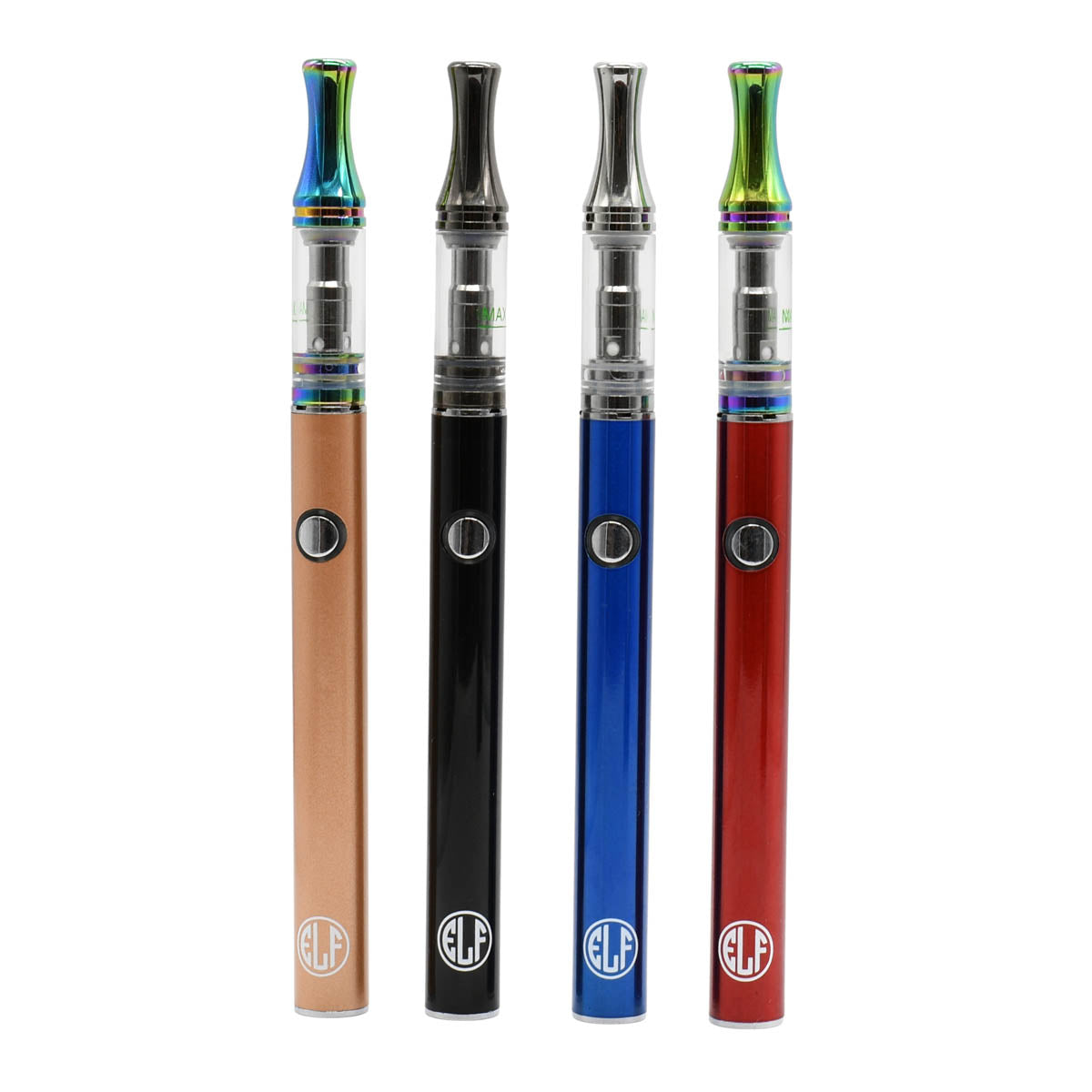
You can find high-quality vape batteries starting at $10, but that’s a massive range when you realize a cheap piece of junk can ruin a $40 cartridge in ten minutes.
Whether you’re standing in a dispensary or scrolling through a website, you’re probably wondering if you should spend ten bucks or fifty. It feels like a tiny difference until your cartridge starts leaking or the battery just stops heating entirely. Most people treat the battery as an afterthought, thinking the oil is the only thing that matters. They’re wrong.
The battery is the engine. If the engine is broken, the fuel doesn’t matter. You could have the most expensive, premium distillate on the planet, but if your voltage is spiking or the connection is loose, you’re basically burning money. You need to understand your hardware before you waste another dime on premium flower.
The industry has moved toward standardization, but “standard” isn’t the same thing as “perfect.” You’ve got to navigate USB-C charging ports, variable voltage settings, and buttonless designs. Some pens are built to last a lifetime, while others are destined for a landfill by next Tuesday.
If you want a setup that actually works, look at the specs. You aren’t just buying a battery; you’re buying how you experience vapor. Here is what actually matters when you’re shopping for your next piece of gear.
Voltage Control is Your Most Important Variable
Stop thinking in terms of “on” and “off.” If you’re using a basic pen that only has one power setting, you’re doing it wrong. Temperature matters. If you hit a high-terpene live resin cartridge at 3.8 volts, you’ll cook the flavor right out of it. It’ll taste like burnt toast.
On the flip side, if you try to pull a thick distillate at 2.5 volts, you won’t get any vapor at all. The oil won’t atomize. You’ll end up taking five long, frustrating pulls just to get a tiny puff that does nothing. You need 510 thread vapes that let you dial in the exact setting your specific cartridge needs.
Variable voltage lets you play scientist. Most decent pens offer a range, and you want something that lets you find the “sweet spot” where the flavor is loudest and the vapor is thickest. That’s how you tell the difference between a toy and a tool. A tool helps you get the most out of your expensive concentrates; a toy just makes a cloud of smoke.
I’ve seen people ruin perfectly good carts because they didn’t realize their battery was stuck on a high setting. They thought the cart was “weak,” but they were actually just scorching the wick. Check the specs. If it doesn’t have at least three voltage settings, walk away.
Some newer models are getting pretty fancy. Look at the Cartisan Pro Pen, which uses a color digital screen to show you exactly what your voltage is. It’s a small detail, but when you’re trying to distinguish between 3.2V and 3.4V, that screen is a lifesaver. It takes the guesswork out of it.
Keep this table in mind when you’re shopping:
| Feature | Budget Options | Premium Options |
|---|---|---|
| Voltage Control | Fixed or 2 Settings | 5+ Settings / Digital Display |
| Charging Port | Micro-USB (Old/Annoying) | USB-C (Modern/Fast) |
| Build Quality | Plastic / Lightweight | Metal / Weighted / Durable |
| Battery Life | Single Charge/Day | Multi-Day / High Capacity |
The Problem With Modern Charging and Connectivity
The world has moved to USB-C. If you find a 510 pen that still uses Micro-USB, you’re buying yesterday’s technology. I don’t have room in my bag for three different types of charging cables. You want something that matches your phone. It’s faster, more reliable, and less likely to break the port when you’re fumbling with it in the dark.
Then there is the physical connection. The 510 thread is a standard, but not every manufacturer follows it perfectly. Some pins are too short, others are too long. You’ll get that annoying “connection error” or a flashing light that says the battery is fine, but the cart isn’t “talking” to it. It’s a massive waste of time.
Look for pens with a heavy, solid connection. If the cartridge feels wobbly when you screw it on, that’s a red flag. A loose connection leads to heat fluctuations, which leads to inconsistent vapor. It’s a domino effect of bad experiences.
Some brands try to solve this with better threading or magnetic connections. Magnetic connections are great because they snap into place perfectly every time. You don’t have to spend thirty seconds trying to thread a tiny screw while your hands are shaking. It’s a small luxury that makes a huge difference.
Don’t ignore the “preheat” function, either. If you’re using a thicker oil, you want a pen that can warm the oil up slightly before you take a real hit. It clears out clogs and ensures a smooth draw. Without preheat, you’re basically playing Russian Roulette with your airflow.
Durability vs. Discretion: The Great Trade-off
You have to decide what kind of user you are. Are you the person who leaves your vape on the coffee table at a party, or the person who keeps it tucked away in a pocket? This choice dictates the shape of your hardware. You generally have two paths: the classic pen or the sleek, discreet stick.
The classic pen style is great if you want something rugged. They usually have more buttons and more settings. They are easy to grip and feel like “gear.” If you drop a high-quality pen on a hardwood floor, it’ll probably be fine. They are built for heavy hitters who aren’t worried about being seen.
On the other hand, you have the ultra-discreet options. These are meant to look like pens or even USB drives. They are much smaller and meant to be used quickly and quietly. The downside? They often sacrifice battery capacity and advanced features to stay small. You’re trading power for stealth.
If you go the discreet route, make sure you aren’t sacrificing voltage control. Some of those tiny sticks are “single setting only.” That’s a dealbreaker if you use high-end live resin or specialized concentrates. You shouldn’t have to choose between being discreet and getting a good hit.
Consider these categories when you’re deciding on your next purchase:
- The Tank: Heavy metal construction, large battery, high voltage range. Best for home use.
- The Nomad: Medium size, USB-C charging, variable voltage. Best for travel and daily carry.
- The Stealth: Small, slim, often buttonless. Best for quick, discrete sessions in public.
I’ve seen people buy the cheapest, slimmest pen they can find, only to realize it can’t even power a standard distillate cart properly. It’s like trying to put a lawnmower engine in a Ferrari. You need to match the power of the battery to the demand of the cartridge.
Why Your Current Setup is Probably Failing You
Most people don’t realize their battery is failing until it simply won’t fire anymore. This happens because of battery degradation or poor-quality internal circuitry. If you’ve been charging a cheap battery for six months straight, the lithium-ion cell is likely cooked. It might show 100% charge, but the moment you pull a draw, the voltage drops to zero.
This is why I don’t recommend the “bargain bin” options. You might save five dollars today, but you’ll spend that money (and more) when the battery dies in three weeks. It’s a bad investment. You want a battery that actually lasts. Look for brands that offer a warranty.
The The Kind Pen actually offers a lifetime warranty on their 510 thread battery vape pens. That tells you something about their confidence in their hardware. If a company stands behind their product for the life of the device, they aren’t selling you junk. Most generic ones you find at gas stations won’t even give you a 30-day return policy.
Watch the charging speed, too. If you’re using an old-school Micro-USB cable, you might be waiting three hours for a full charge. With USB-C, you can often top it off in twenty minutes. If you’re an active user, that time difference is everything. You don’t want to be caught with a dead device when you actually need it.
Finally, check the connection points for corrosion or leakage. If your battery has a history of leaking oil into the threading, it’s done. Once oil gets into the internal electronics, it’s game over. You can’t clean it out, and it becomes a fire hazard. If you see gunk around the pin, throw the battery away. It’s not worth the risk.
Getting your hardware right is the difference between a great experience and a frustrating, expensive mess. Don’t overthink it, but don’t under-spec it either. Get the voltage control you need, the charging port you actually use, and a build quality that won’t quit on you halfway through a cartridge.